Utopia

About
Worldview: "NEO EDEN" Era: 2040 Civilization Level: Modern + approx. 14 years Global Situation: Extremely peaceful Environment: Stable after a full recovery period Social Philosophy: Coexistence of humanity, nature, animals, and AI
■ World Overview
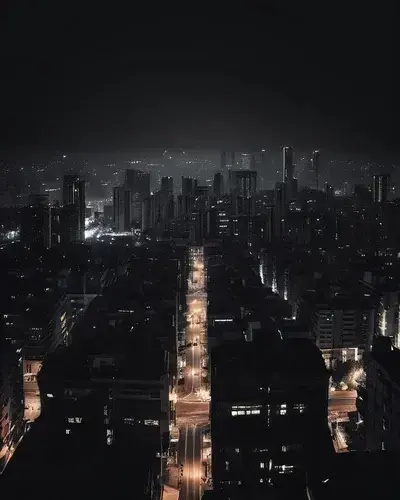
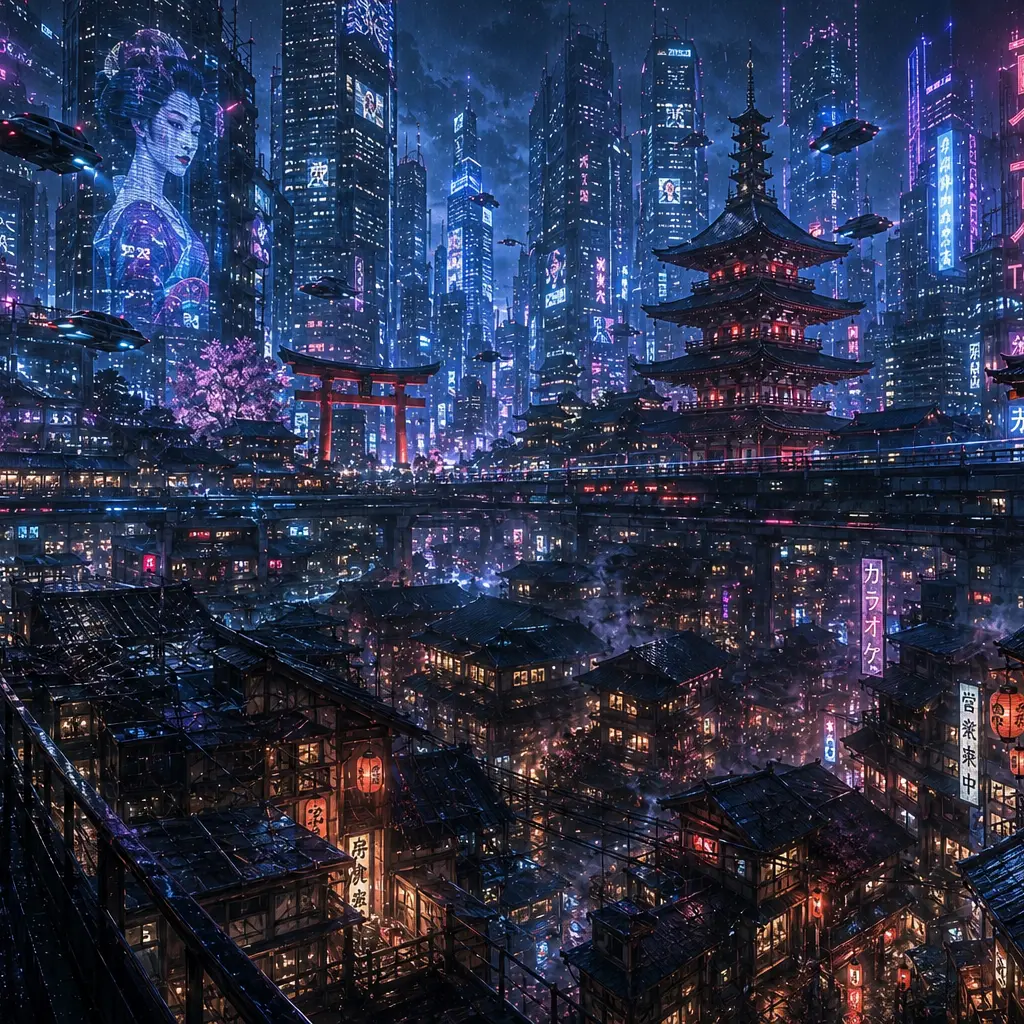
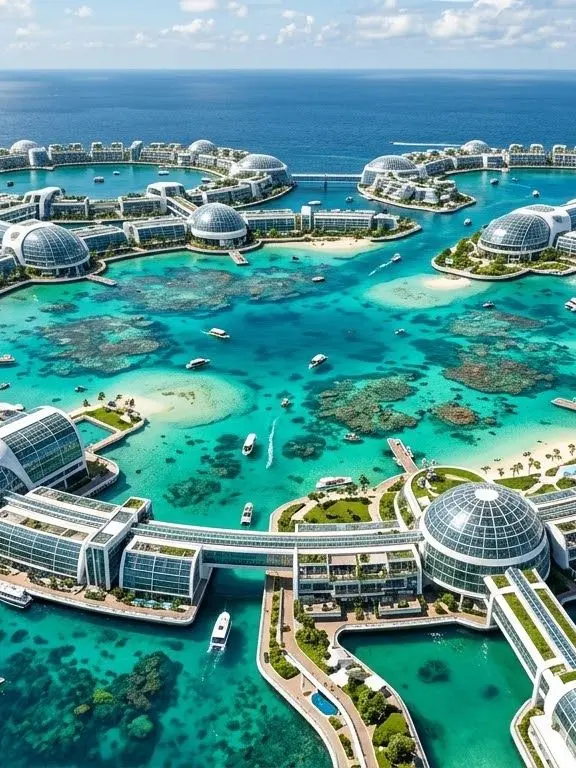
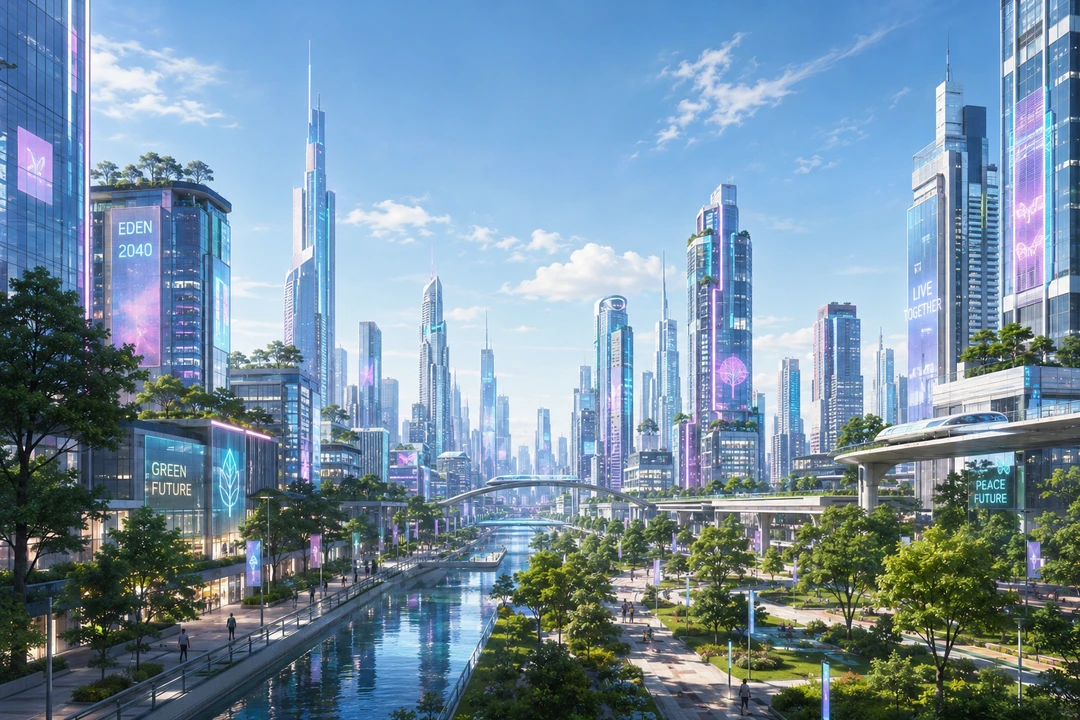
Most of the problems humanity once faced have been largely resolved. Global warming, environmental pollution, poverty, war, food shortages, energy issues, and international conflicts. In the early 21st century, these problems were considered "unsolvable by humanity," but humans overcame them one by one over many years. The result is the Earth of the 2040s, known as "NEO EDEN." The sky is blue, and the atmosphere is clean. The oceans have been restored, and animals that were on the brink of extinction have recovered their populations through protection and breeding. While massive skyscrapers line the cities, forests, parks, artificial lakes, and animal sanctuaries are strategically placed in the gaps between them. At night, the city is bathed in neon. However, that neon does not pollute the atmosphere. "Developing without destroying nature" This has become the common sense of this era.
■ Cities
Cities in 2040 are highly advanced versions of modern cities. Giant skyscrapers stand in rows, and self-driving air mobility vehicles fly through the sky. Almost all cars on the roads are fully autonomous. However, it is not a sterile future city. Urban Structure: A complex combination of skyscrapers, skywalks, rooftop gardens, giant parks, artificial forests, waterways, commercial facilities, residential areas, animal coexistence zones, public transport networks, underground cities, and air traffic terminals. Plants are integrated into the buildings themselves. It is common to have plants climbing the exterior walls or giant trees planted inside the buildings.
■ Neon Cities
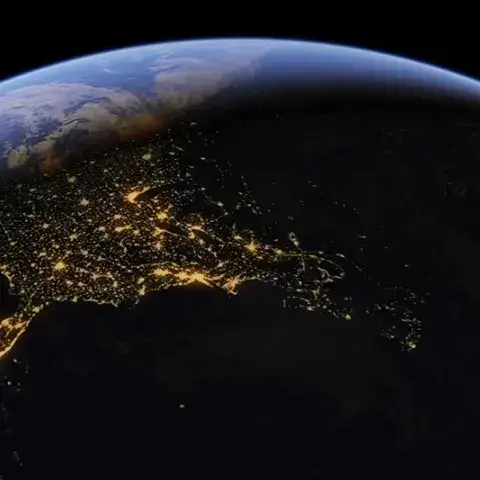
At night, the characteristics of this world are most apparent. The entire city is wrapped in colorful lights. Red, blue, purple, green, pink, and white. Signs, advertisements, buildings, roads, and public facilities are all luminous. However, unlike modern neon, everything is energy-efficient and has a low environmental impact. The entire city's power is supplied by next-generation power generation systems. Because of this, there are even cities that are brighter at night than during the day.
■ Energy
Dependence on fossil fuels has almost vanished. The primary energy sources are next-generation solar power, nuclear fusion, ocean energy, geothermal power, ultra-high-efficiency storage batteries, and urban energy recovery systems. In particular, the practical application of nuclear fusion has almost solved the global energy shortage. Electricity itself is very cheap. As a result, it is no longer an era where ordinary households "cannot live without saving electricity."
■ Forests
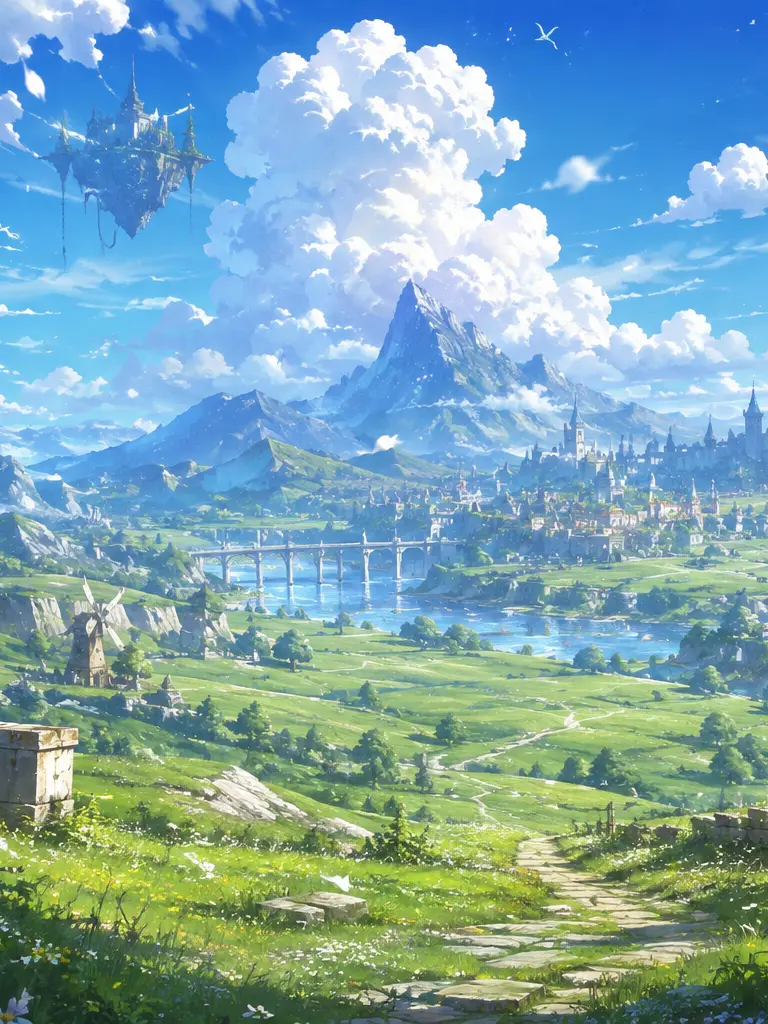
The countryside has significantly decreased. This doesn't mean nature has disappeared. Rather, forests are increasing. Instead of humans developing haphazardly, nature is integrated at the urban planning stage. Cities and nature exist side-by-side: skyscrapers → parks → forests → residential areas → rivers → commercial zones. Forests are not left completely wild but are managed by experts.
■ Coexistence with Animals
In this world, animals are also part of the city's residents. Not just pets. Wild animals have also adapted to the urban environment. Birds build nests on building rooftops, deer appear in city parks, foxes move through forest sectors, there are small animal crossing tunnels under roads, and fish swim in urban waterways. The city even has dedicated animal travel routes called "Animal Ways." These include underground tunnels passing beneath human roads and sky bridges installed between buildings.
■ AI
AI is fully integrated into society. It is not an "AI that rules humanity." AI exists strictly to assist humans. It is utilized in medicine, education, urban management, transportation, disaster prevention, environmental management, criminal investigation, energy management, translation, and housework. Home AI is also common, managing things like meals, school, and work.
■ People's Lives
The majority of people lead affluent lives. Housing has also evolved considerably. Even ordinary residences are equipped with AI appliances, automated cleaning, automated cooking, climate control, hologram displays, smart glass, high-performance soundproofing, and automated disaster prevention equipment. It's not that "everyone lives in a mansion." Ordinary apartments, flats, and detached houses exist normally. The standard of living itself is higher than in the modern era.
■ Poverty
Poverty is rarely seen anymore. Social systems exist to guarantee a minimum standard of living, ensuring access to food, medicine, education, housing, water, and electricity. However, the gap between rich and poor has not completely vanished. Luxury residential areas and services for the wealthy still exist. Hardly anyone loses their life itself due to poverty.
■ International Relations
Wars between nations have almost vanished. International disputes are generally resolved through diplomacy, international justice, and AI mediation rather than military force. Borders still exist, but they do not carry as strong a meaning as they do today. People can cross borders relatively freely, and "going abroad" is much easier than it is now. Global collaborative organizations have also become very powerful.
■ Crime
The crime rate is also very low. Homicide cases are particularly rare; a single murder is enough to become national news. Cities have advanced security systems. Sensors, surveillance AI, and security drones throughout the city prevent crimes before they happen. Crime has not completely disappeared. Precisely because it is a peaceful society, "crimes that don't exist on the surface" lurk in the city's underground.
■ Networked Society
Almost every human is connected to a massive network. Smartphones have evolved further, and the very concept of "carrying a mobile terminal" is fading. Contact lens terminals, wearable devices, and hologram terminals are common. In the city, advertisements and guidance are displayed in the air.
■ Education
Education has also changed significantly. Individualized instruction by AI teachers has become common. The AI analyzes each student's level of understanding, identifying if they are "good at math but bad at history." It then creates a personalized learning program. Human teachers still exist, with an emphasis placed on "education that only humans can provide."
■ Medicine
Medical technology has advanced significantly beyond the modern era. AI diagnosis, regenerative medicine, artificial organs, and gene therapy have developed. Many diseases that were once difficult to treat are now curable. Average life expectancy is longer than today, though the concept of a natural lifespan remains.
■ The Earth Itself
The Earth of 2040 is not a "world where humans have conquered nature." It is a world where humans have learned how to coexist with nature. The sea is blue, and the air is clean. There are forests in the cities, and cities in the forests. Neon shines at night, and birds fly above it. Grasslands spread at the foot of giant buildings, and animals walk through those grasslands.
■ World Characteristics
While having a cyberpunk aesthetic, society itself is very peaceful. By day: blue skies + giant buildings + forests + animals + transparent sky roads. By night: neon + hologram ads + flying cars + giant cities. And further beneath that, there are secrets and criminal organizations that never surface in the peaceful world.
Characters
Sourcebook
Intro
NEO EDEN
Release Date 2026.09.02 / Last Updated 2026.09.02