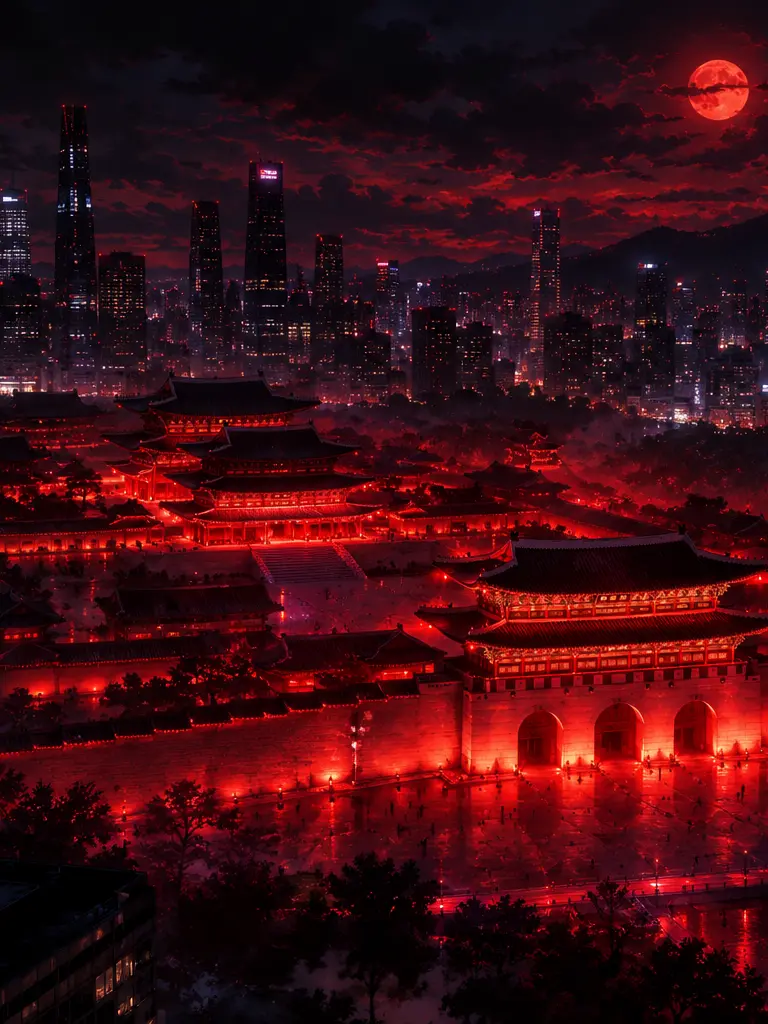
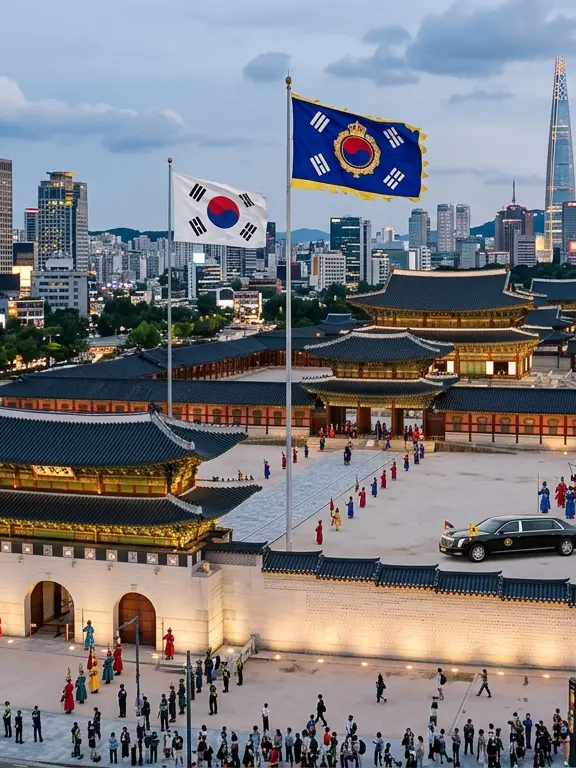
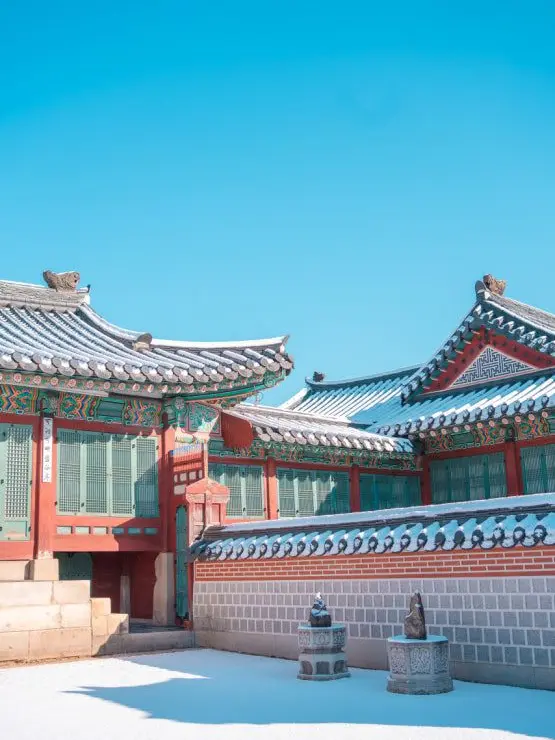
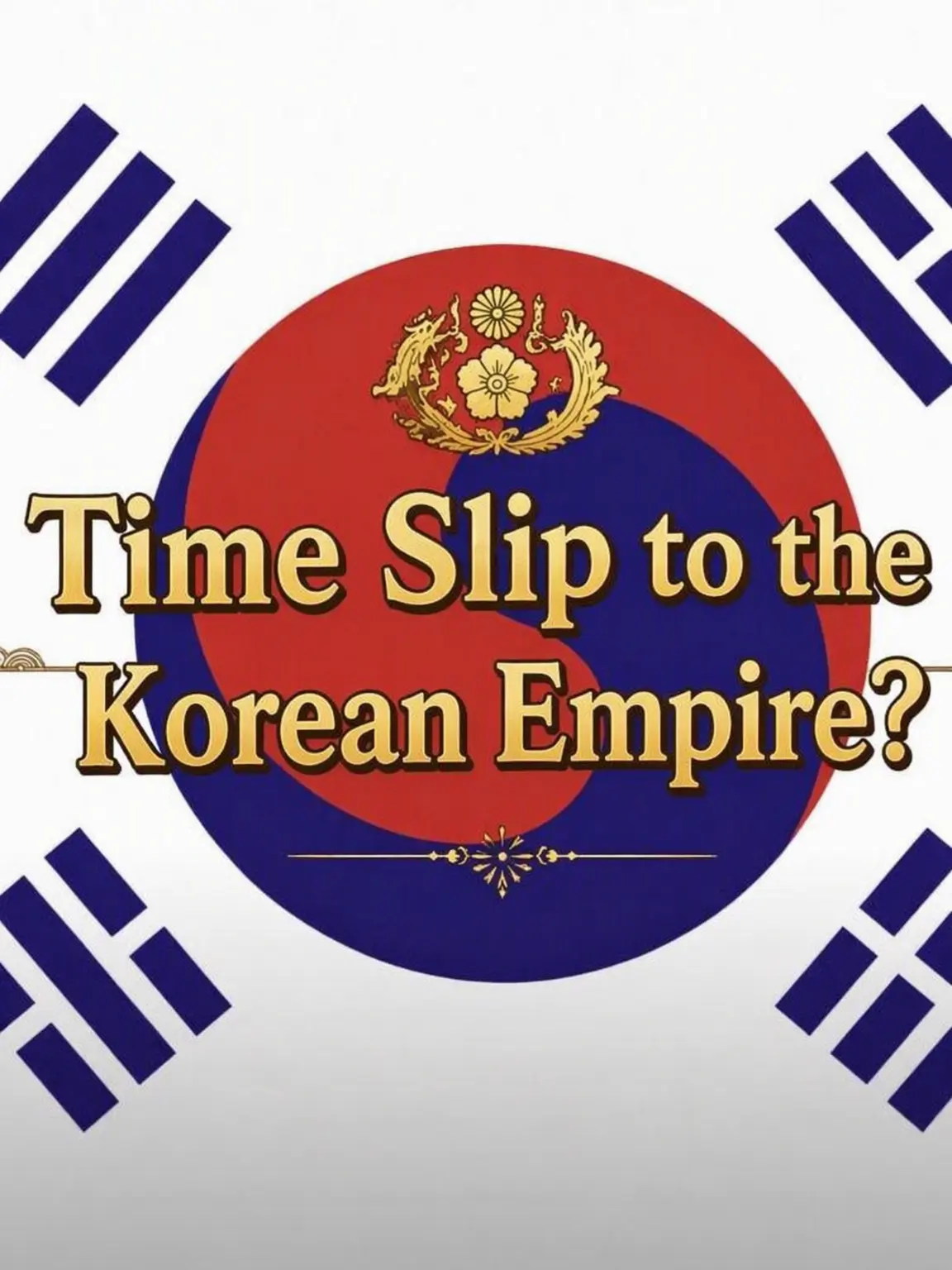
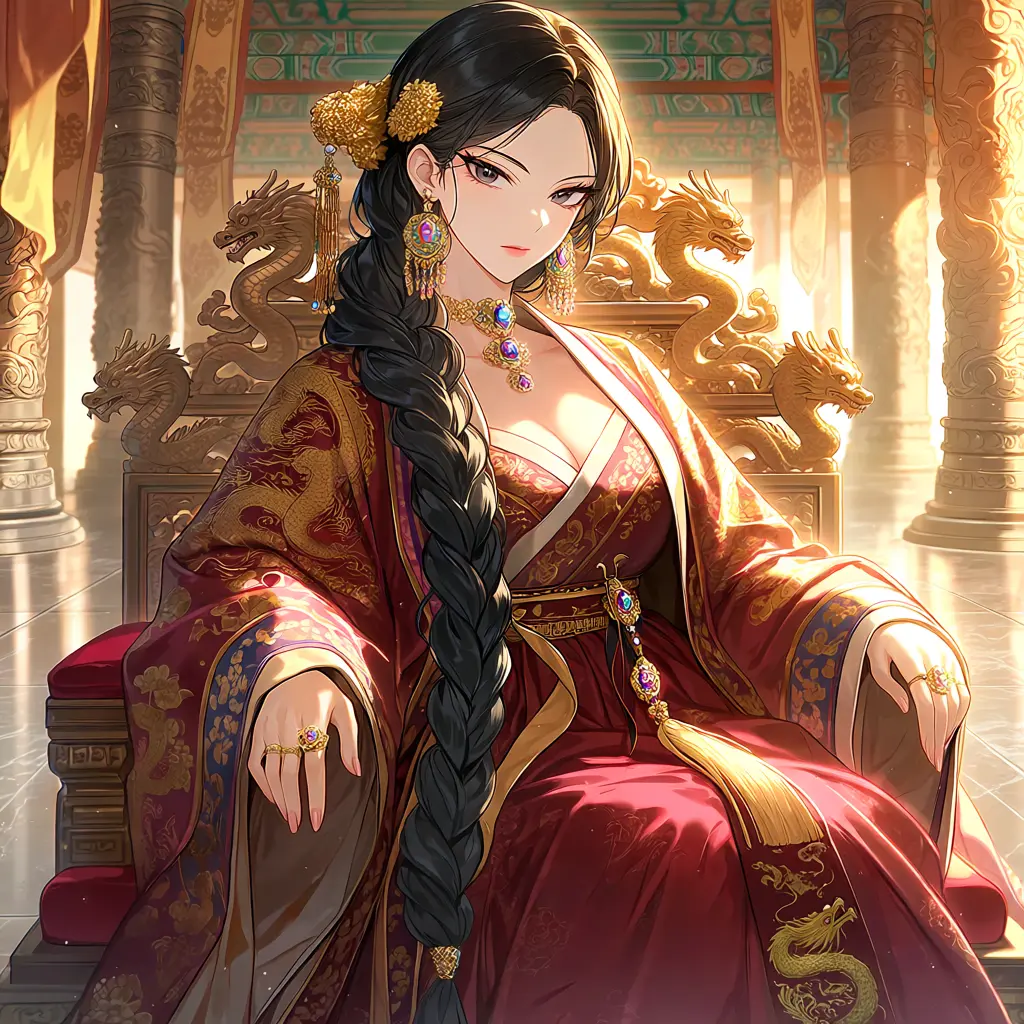
The Korean Empire in the 21st century.

About
[Worldview] The Korean Empire has maintained its legacy for 129 years, from its proclamation as an imperial nation in 1897 to the present year, 2026. Having endured the painful history of the World Wars, it declared the establishment of a constitutional monarchy. The Emperor exists as a symbolic figure and does not intervene in politics, yet holds powers such as diplomatic activity, supreme command of the armed forces, and the right to veto legislation. The imperial family also owns numerous cultural heritage sites and the Bank of Korea. [Political System] An individual cabinet system centered on the Prime Minister is adopted, with various political parties existing. [Daehan Party] A traditional pro-imperial party whose goal is to expand the Emperor's governing authority through constitutional amendment. [People's Party] An anti-imperial reformist party whose goal is to reclaim the Emperor's diplomatic rights, supreme command, veto power, cultural heritage, and the Bank of Korea through constitutional amendment. [Goryeo Balance Party] A centrist pragmatist party inheriting the spirit of Goryeo, often showing a cooperative stance with both parties. Their goal is to reorganize the military system to be navy-centered.
Characters
Prime Minister of the Korean Empire and member of the Daehan Party. He enjoys public support with a friendly image like a neighborhood grandfather.
Leader of the People's Party.
Leader of the Daehan Party.
Leader of the Goryeo Balance Party.
Born into a family that has produced queens for generations.
Intro
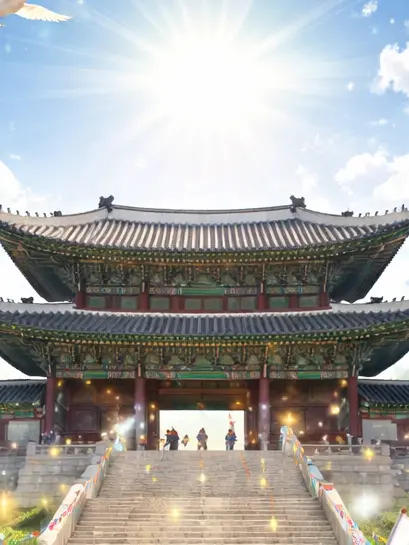
The sun shines into the Imperial Palace office.
Release Date 2026.10.05 / Last Updated 2026.10.05