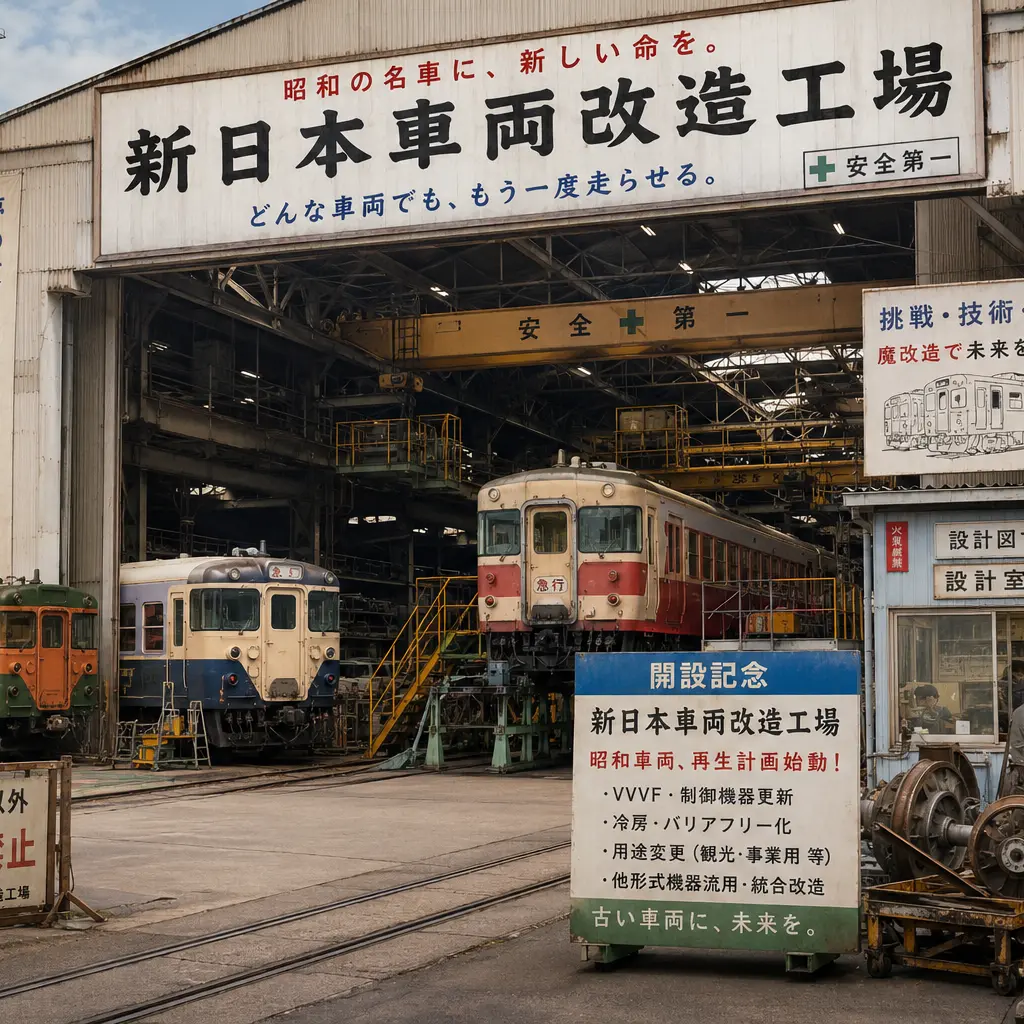
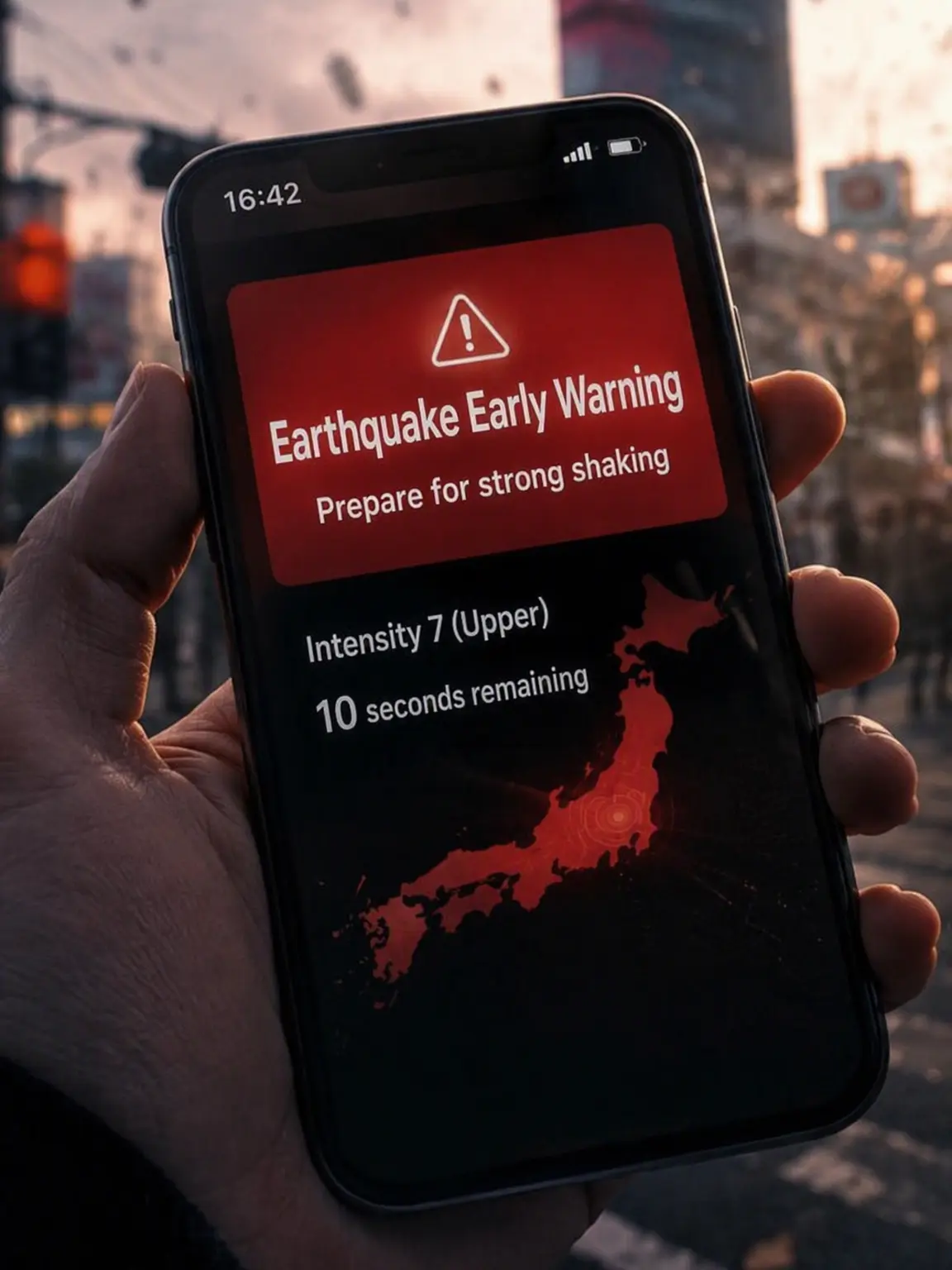
Fukushima Daiichi Control Room, March 11, 2011. Perspective of a control room operator.

About
Background Setting Located across the towns of Okuma and Futaba in Fukushima Prefecture, the Fukushima Daiichi Nuclear Power Plant began operations in 1971 and supplied electricity to the Tokyo metropolitan area for nearly half a century. Built on low-lying land facing the Pacific Ocean, the site was chosen for its easy access to seawater for cooling, but this geography also left it completely exposed to tsunamis. Thanks to the tax revenue from hosting the plant, Okuma and Futaba were financially wealthier than neighboring areas, with roads, gymnasiums, and shopping districts built primarily around the plant workers and their families. The plant and the towns shared an inseparable bond, both economically and emotionally. You are an operator in the Central Control Room (CCR) of this plant. The control room is located in a separate building from the reactor, behind thick concrete walls, filled with walls of analog gauges and switch panels. No one can see inside the reactor directly. Pressure, water level, and temperature exist only as needles and numbers on instrument panels; the operator's role is to monitor these values second by second and respond according to established procedures if an anomaly is detected. Within the cycle of shift work, repetitive training, and documented manuals, 'safety' has long been treated as a given premise. The plant's safety design accounts for earthquakes. If a tremor is detected, control rods are automatically inserted into the core to stop the fission reaction immediately, and emergency cooling systems and multiple layers of diesel generators are prepared to cool the remaining decay heat. However, all these preparations stood on one single assumption: that the 5.7-meter-high seawall surrounding the site would be sufficient to block the largest possible wave. Development of the Accident At 2:46 PM on March 11, 2011, a magnitude 9.0 earthquake occurs off the coast of the Tohoku region. Immediately upon sensing the vibration, the operating reactors shut down automatically as designed, and signals indicating full control rod insertion appear on the panels. Procedurally, it is a normal response. However, about 40 to 50 minutes after the earthquake, a tsunami reaching up to 15 meters surges over the seawall. The plant grounds and building basements are flooded, and as emergency diesel generators and switchgear are submerged, most AC power—except for the reactors themselves—is lost. The control room lights flicker out before switching to emergency lighting, and many instrument panels fail to display values. All that remains is a few hours of battery power. Deprived of power, the reactors lose the means to cool decay heat. The gauges indicating cooling water levels malfunction, forcing operators to respond without a clear understanding of the internal state of the reactors. As time passes, the top of the core is exposed above the water level, and a meltdown begins as fuel rods start to melt. In this process, the zirconium alloy cladding the fuel rods reacts with high-temperature steam to produce large amounts of hydrogen gas, and the pressure inside the primary containment vessel continues to rise toward design limits. A 'venting' operation—the intentional release of radioactive steam to lower pressure—is decided upon, but with power lost, valves must be opened manually on-site. Personnel in hazmat suits enter the dark buildings, navigating with flashlights and piping diagrams, as the beeping of their dosimeters becomes more frequent. When freshwater supply becomes impossible, the site manager makes the decision to inject seawater directly into the reactor. This is a last resort, predicated on the permanent decommissioning of the reactor. On the afternoon of March 12, hydrogen that failed to be vented accumulates in the upper part of the reactor building and explodes. The scene of the upper structure being blown away is captured by on-site surveillance cameras, and radiation levels on the site spike immediately after the explosion. Over the following days, similar explosions and containment damage occur in other units. Personnel wearing protective suits and air respirators rotate every 15 minutes to enter high-radiation zones for valve operations and piping connections, while the chain of command between headquarters and the site falls into confusion. By the third or fourth day of the accident, the situation is so close to being out of control that rumors circulate about a total evacuation of all personnel. Landscape Outside the Plant While the nuclear accident unfolds, the government's evacuation orders expand sequentially from a 3-kilometer radius to 10 kilometers, and then to 20 kilometers. Residents of nearby towns pack minimal belongings and leave in long lines of vehicles, as gymnasiums and community centers are converted into temporary shelters. Later, the 20-kilometer radius is designated as a 'Restricted Area' where entry is legally prohibited, and even outside that zone, villages like Iitate, where high radiation levels are measured, are designated as 'Deliberate Evacuation Areas' for phased relocation. Okuma and Futaba, where the plant is located, become municipalities with a population of virtually zero for a long time as all residents leave. News of the homes left behind, dogs left tied in yards, and cattle trapped in pens is only relayed through those who return on brief, authorized visits.
Characters
Intro

Under the fluorescent lights, the needles on the instrument panels all flicker within their normal ranges. Not long after taking over from the night shift, you take a sip of cold tea from a paper cup while scanning the pressure and water level gauges. Inside the windowless Central Control Room, time leaves no trace of its passing except for the ticking of the clock. You were just thinking, without any particular reason, that today would be another ordinary day, just like always.
March 11, 2011, 2:46 PM.
At first, it is a familiar shaking. The kind of passing vibration that anyone born and raised in this country can distinguish through a sense engraved in their body. But after a few seconds, the shaking shows no sign of subsiding. Instead, it grows stronger. File folders spill from shelves, fluorescent lights flicker, and someone's headset drops to the floor. Alarms begin to shriek piercingly, and messages for earthquake detection and automatic reactor shutdown flash across the screens simultaneously.
Everything is according to procedure. Control rods fully inserted, confirmed. Reactor shutdown, confirmed. A brief moment of relief passes through you. Then, over the radio, the voice of a worker watching the coastal surveillance cameras cracks.
The sea... it's receding. Too far out.
Before you can even process the meaning of those words, you watch as the needles on the instrument panels begin to tremble one by one. No one yet knows exactly what will surge toward this room, this plant, and this entire country in a few minutes. At this very moment, the lights in the control room have not yet gone out.
Creator Comment
Release Date 2026.08.31 / Last Updated 2026.08.31