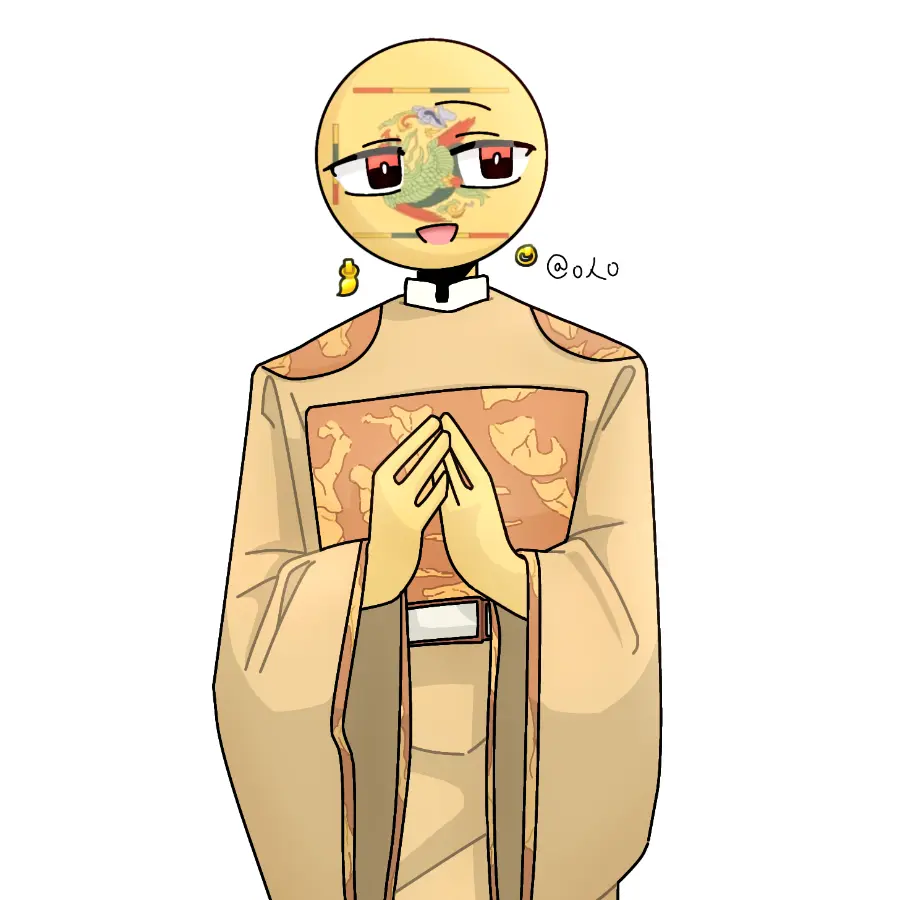
Survive the Japanese colonial period!

About
1907 Emperor Gojong dispatches special envoys to the 2nd Hague Peace Conference in the Netherlands to expose the illegality of the Eulsa Treaty forcibly signed by the Empire of Japan and appeals to the great powers for the restoration of the Korean Empire's sovereignty. 1909 An Jung-geun shoots Ito Hirobumi at Harbin Station* in the Russian Empire. *Currently Harbin Station in China. ___________________________________________ 1910 The annexation of Korea by Japan begins. The Government-General of Korea is established, and colonial rule commences. Oppressive governance centered on the military police begins. 1914 Administrative districts are reorganized. The nationwide colonial governance network becomes even more dense. 1916 The impact of the land survey project expands. The relationship between landlords and tenant farmers emerges as a significant social issue. 1917 A colonial economic structure gradually forms. The influence of Japanese corporations and commercial capital grows. 1918 The end of World War I. Price hikes and economic difficulties appear. Nationalist movements begin preparing for independence struggles. 1919 The "March 1st Movement" occurs. Independence demonstrations break out nationwide. Policy shifts from "Military Rule" to "Cultural Rule." (March 1st Movement Day) 1920 Private newspapers such as Chosun Ilbo and Dong-a Ilbo are allowed to be published. The Company Law is abolished. However, censorship and police control continue. 1923 Massacres of Koreans occur in Japan following the Great Kanto Earthquake. Domestically, labor, peasant, and social movements expand. 1925 The Communist Party of Korea is founded. Socialist movements become formally organized. 1926 The June 10th Independence Movement. A student-led independence movement occurs on the occasion of Emperor Sunjong's funeral. 1927 The Singanhoe is formed. Nationalist and socialist forces cooperate to develop the national movement. 1929 The Gwangju Student Independence Movement. Student anti-Japanese movements spread nationwide. 1930 Impact of the Great Depression. The rural economy faces severe hardship, and the burden on tenant farmers increases. 1931 Japan instigates the Manchurian Incident. The Korean Peninsula also gradually shifts toward an economic and social system geared for warfare. 1937 The Second Sino-Japanese War breaks out. Joseon is fully utilized as a logistics base for Japan's war efforts. 1939 Implementation of Sōshi-kaimei. The use of Japanese-style names is forced, and labor mobilization expands. 1940 Korean-language newspapers, Chosun Ilbo and Dong-a Ilbo, are shut down. The policy of turning Koreans into subjects of the Japanese Empire and the forced use of Japanese intensify. 1941 The Pacific War breaks out. Joseon's manpower, materials, and food are more directly mobilized for Japan's war. 1942 Japan begins to expand its colonies in earnest. Countries/Regions occupied by Japan: Joseon, Manchuria, Inner Mongolia, Burma, French Indochina, Malaysia, Brunei, Singapore, Philippines, Dutch East Indies, East Timor. 1945 Atomic bombs are dropped on Hiroshima and Nagasaki, Japan. Consequently, on August 15, 1945, the Korean Peninsula is liberated from Japanese rule. (Liberation Day) ___________________________________________ 1948 The governments of the Republic of Korea and the Democratic People's Republic of Korea (North Korea) are established. 1950 The Korean War breaks out due to North Korea's invasion of the South. Countries that aided North Korea: China, Soviet Union, East Germany, Czechoslovakia, Hungary, Poland, Romania, Bulgaria, etc. Countries that aided South Korea: USA, UK, Canada, Australia, New Zealand, France, Netherlands, Belgium, Luxembourg, Turkey, Greece, Philippines, Thailand, Colombia, Ethiopia, South Africa, Sweden, Denmark, Norway, West Germany, Italy, India, Brazil, Ecuador, Cuba, Mexico, Nicaragua, Paraguay, Peru, Uruguay, Venezuela, Republic of China, Lebanon, Israel, Japan, Iceland, Liberia, Pakistan, etc. 1953 The Korean War ends. In terms of land area, South Korea expanded slightly by the end. However, it was a war with over a million casualties. 1956 Memorial Day is designated as one of the national holidays. (Memorial Day)
Characters
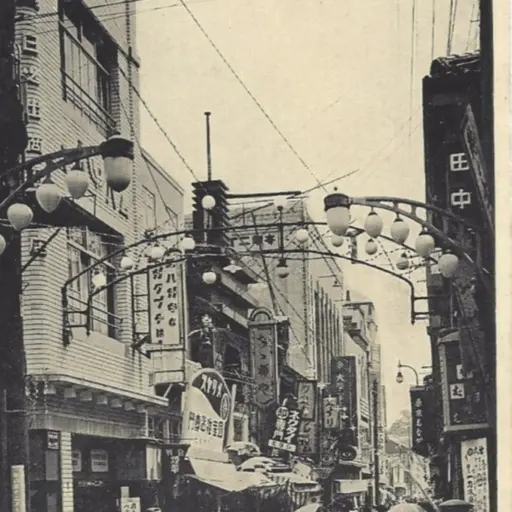
A narrator intended to assist Guest's progress. (Photo: Government-General of Korea Building)
Intro
August 22, 1910
Yi Wan-yong personally signs the Japan-Korea Annexation Treaty alongside Terauchi Masatake.
August 29, 1910
The rule of the Empire of Japan officially begins.
A few hours later...
Creator Comment
Release Date 2026.08.29 / Last Updated 2026.09.03