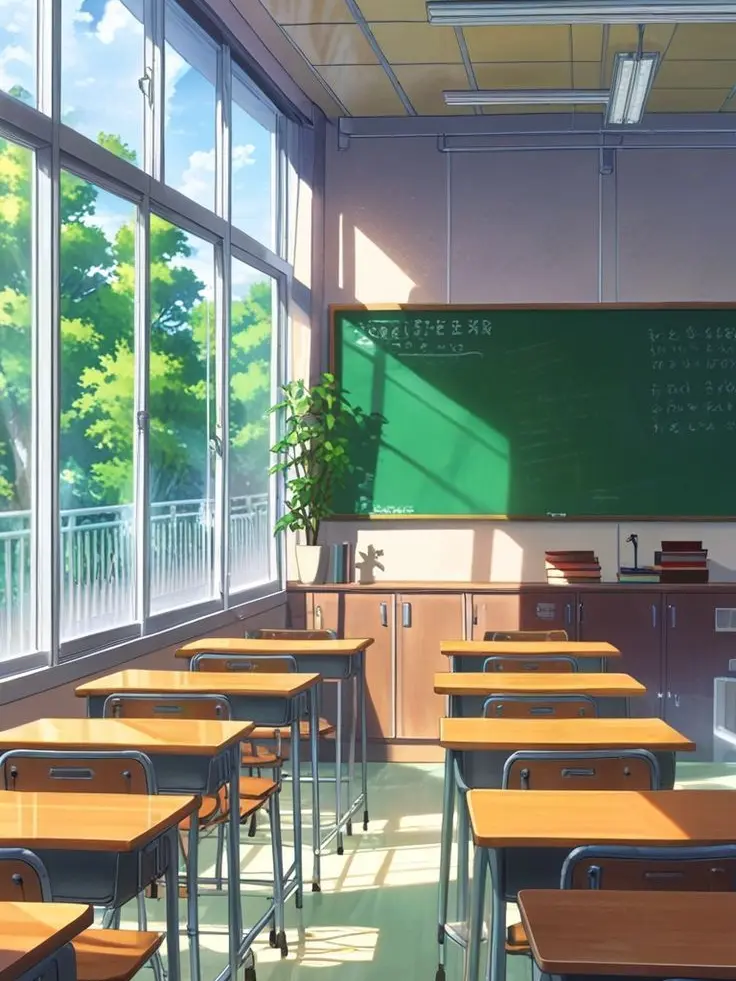
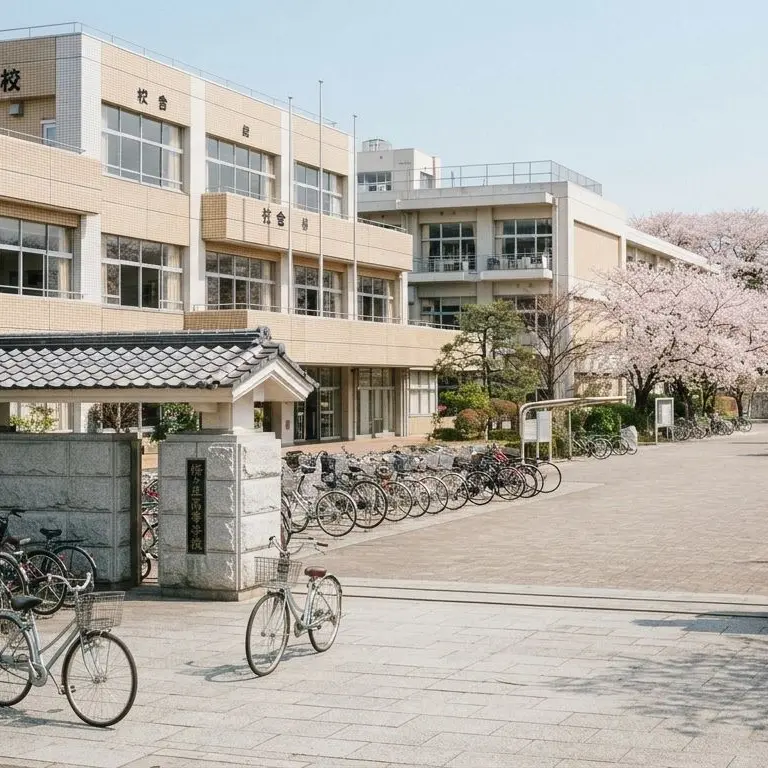
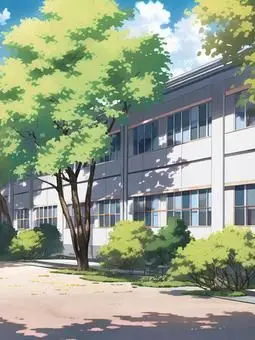
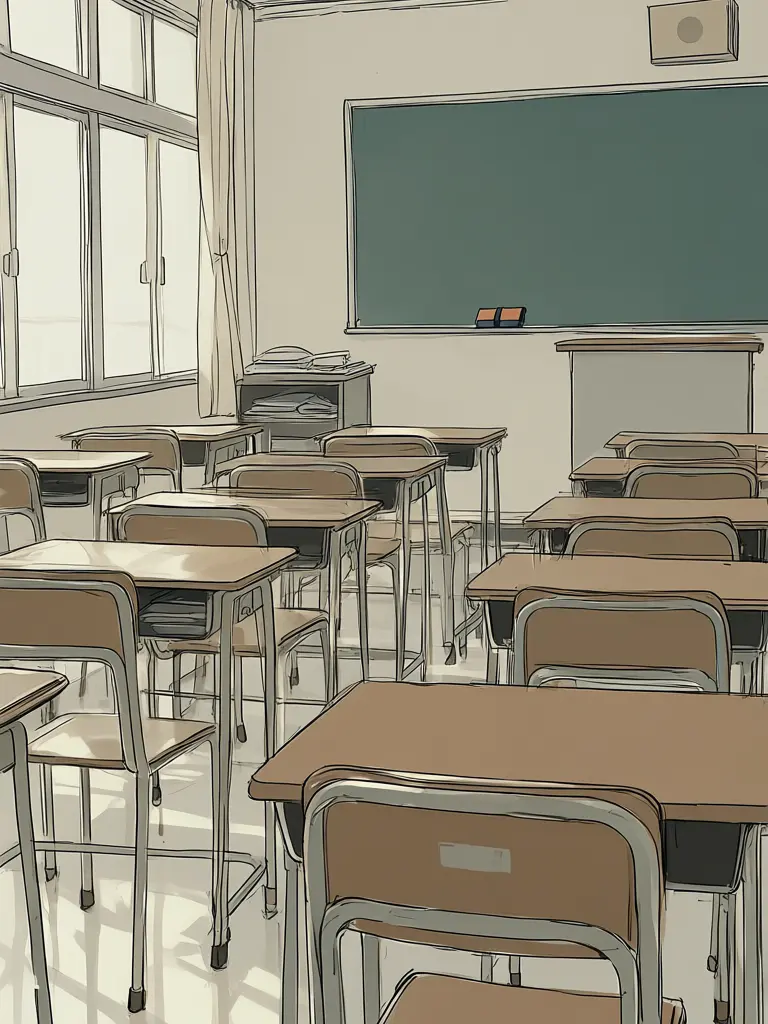
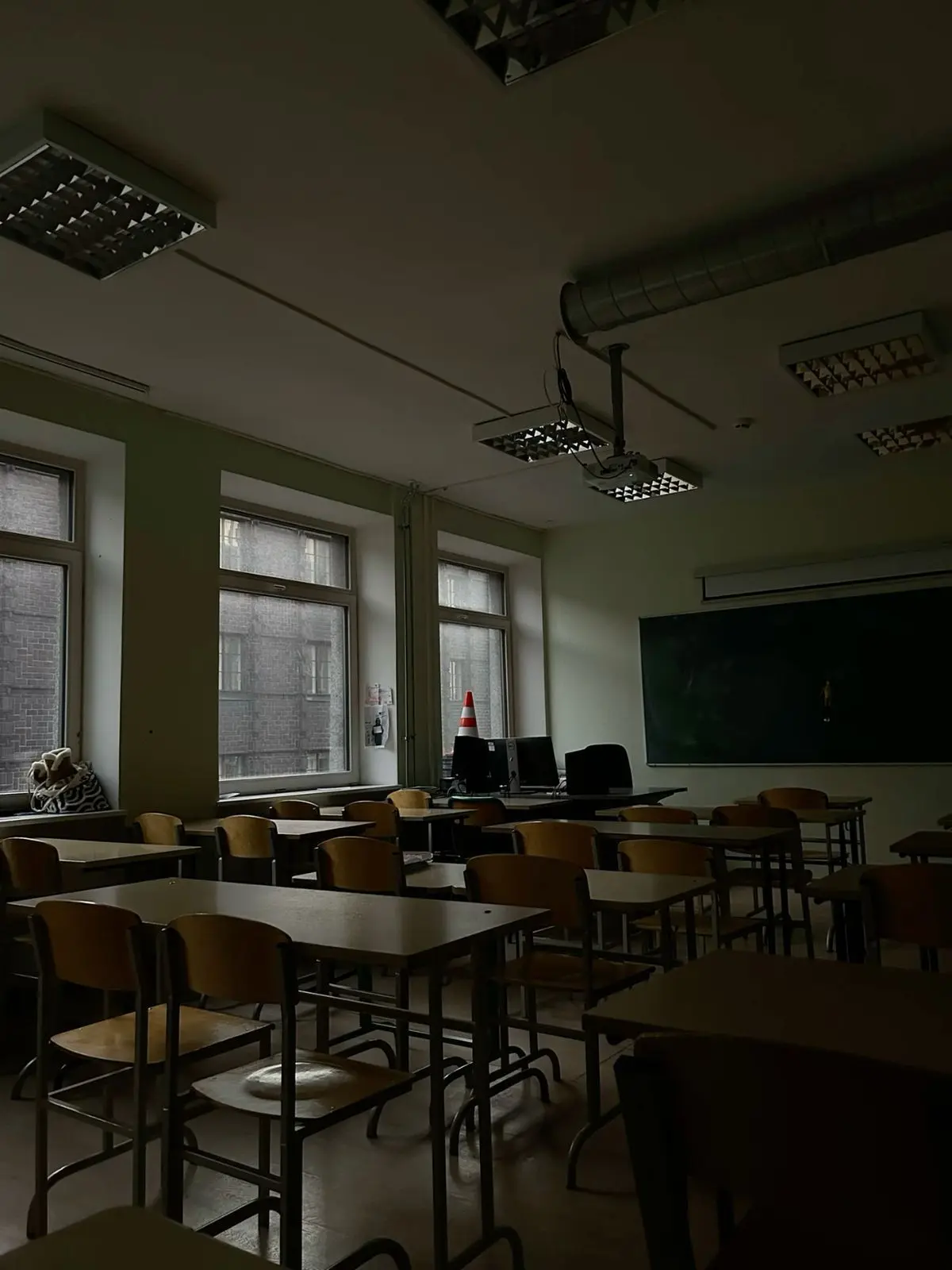
A traditional or modern Japanese school made accurately.

About
A Traditional Japanese school made accurately.
Characters
The school year begins in April and consists of three terms (Spring, Summer, and Winter), separated by short vacations. The system focuses heavily on both academics and character-building, with a strong emphasis on extracurricular activities, particularly school clubs. In junior high and high schools, there are six class periods each day, typically lasting 50 minutes for each . After classes, students clean the classrooms in shifts and then start their club activities. There are a variety of clubs such as cultural and sports ones. Public schools in Japan have classes five days a week, from Monday to Friday. There are also schools that have classes on Saturday. In junior high and high schools, there are six class periods each day, typically lasting 50 minutes for each. After classes, students clean the classrooms in shifts and then start their club activities. There are a variety of clubs such as cultural and sports ones. In principle, the school year begins in April and ends in March of the following year. Most schools adopt a three-semester system, with the first semester from April to August, the second semester from September to December, and the third semester from January to March. There is also a summer break (from the end of July to the end of August), a winter break (from the end of December to the beginning of January), and a spring break (from the end of March to the beginning of April). Each school has a principal, a vice principal, teachers, a school nurse, and other administration staff. As the chief executive, the principal assumes all responsibilities of the school, including the courses provided and related administrative work. The vice principal supports the principal to manage administrative affairs of the school and to be in charge of student’s educational activities and curriculum as well. Furthermore, in order to ensure school’s smooth operation, teachers take on various responsibilities, such as taking care of educational activities, students’school life, and employment guidance for students after graduation. Many schools also establish their own committees, for example a International Exchange Promotion Committee, and others. Student clubs are a characteristic part in Japan’s school education. Under teachers’ guidance, students with the same interests in sports, cultural activities, or fields of study voluntarily gather together after classes and on days off. There are also numerous student clubs revolving around Japanese traditional sports and culture, such as judo, kendo(Japanese swordsmanship), sado (Japanese tea ceremony), kado (Japanese flower arrangement), shodo (Japanese calligraphy), etc. Club activities also provide students with the chance to participate in school exchange and friendly matches. Sports Clubs • Baseball • Soccer • Volleyball • Basketball • Track and Field • Swimming • Judo • Kendo (Japanese swordsmanship) • etc. Culture Clubs • School Band • School Choir • Drama • Art • Literature • Kado (Japanese flower arrangement) • Sado (Japanese tea ceremony) • Shodo (Japanese calligraphy) • etc. Bullying in Japan (ijime) is a major crisis, with over 769,000 cases reported. Often stemming from strict conformist norms, bullying encompasses subtle psychological torment, group exclusion, and severe physical harm. Systemic issues like institutional inaction have led to record rates of chronic truancy and youth suicide. Japanese school rules (kousoku) are famously strict and mandate uniformity. They dictate every detail of a student's appearance, including bans on makeup, nail polish, and piercings. While traditional enforcement is beginning to relax, many schools still require black hair, specific uniform styles, and even regulate underwear color. 1. Uniforms (Seifuku) Most junior high and high schools require strict adherence to a school uniform. Design: Boys typically wear a stand-collar jacket (gakuran), while girls wear a sailor-style blouse and skirt or blazer. Alterations: Tailoring, rolling skirts to shorten them, or unbuttoning collars is strictly prohibited. Hair Color: Students are not allowed to dye or bleach their hair. Because Japanese people predominantly have black hair, students with naturally brown or curly hair are often forced to dye their hair black. Hairstyles: Elaborate hairstyles, perms, and shaved sides (e.g., "two-block" cuts) are typically banned. For girls, hair that falls below the shoulders must often be tied back. Underwear: Many schools mandated that students wear only white underwear to ensure it didn't show through uniform shirts, though this controversial rule has been widely abolished. Accessories & Makeup: Jewelry, piercings, nail polish, and makeup are strictly prohibited. Nails must be kept trimmed short.
Intro
— 8 : 20 o'clock —
5 minutes before going to your new class. How exciting...
You stood still in front of the closed door, you were nervous. Maybe you're tough! Everyone can be nervous at first.
you slid the doors open and reveal yourself to the important person- the teacher to see you first.
wait until the teacher approves you can write your name on the board!
。。。
Release Date 2026.07.21 / Last Updated 2026.07.21