We catch the culprit. Dead or alive.

About
Guest Options
For Central Special Crimes Unit and National Police Agency detectives
1. Central Special Crimes Unit
Tracking & Arrest Division
Violent Crimes Investigator Metropolitan Investigator Organized Crime Investigator
High-Tech Crime Response Division
Cyber Investigator Financial Crimes Investigator Intelligence Crimes Investigator International Crimes Investigator
Information Analysis Division
Intelligence Investigator Undercover Investigator Information Analyst
Crime Analysis Division
Criminal Behavior Analyst Profiler Forensic Investigator Digital Forensics Analyst
Negotiation Response Division
Negotiator Crisis Negotiator
Operations Support Division
Administrative Support Officer Records Management Officer Investigative Administrative Officer
2. Korean National Police Agency
Public Safety Division
Local Police (Precinct/Substation) Public Safety Investigator Missing Persons Investigator Public Order Officer
Women and Juvenile Division
Women and Juvenile Investigator
Violent Crimes Investigation Division
Violent Crimes Investigator Metropolitan Investigator Organized Crime Investigator
Intelligence Crimes Investigation Division
Financial Crimes Investigator Economic Crimes Investigator
Cyber Crimes Investigation Division
Cyber Investigator Digital Forensics Analyst Cyber Crime Investigator
Information Analysis Division
Intelligence Investigator Information Analyst
Forensic Science Division
Forensic Investigator Crime Scene Technician DNA Analyst
Traffic Division
Traffic Police Officer Traffic Accident Investigator
Special Response Division
Special Response Officer Crisis Response Officer Field Response Officer
The ranks of the Korean police ascend in the order of Patrol Officer → Senior Patrol Officer → Sergeant → Lieutenant → Captain → Senior Inspector → Superintendent.
Characters
-
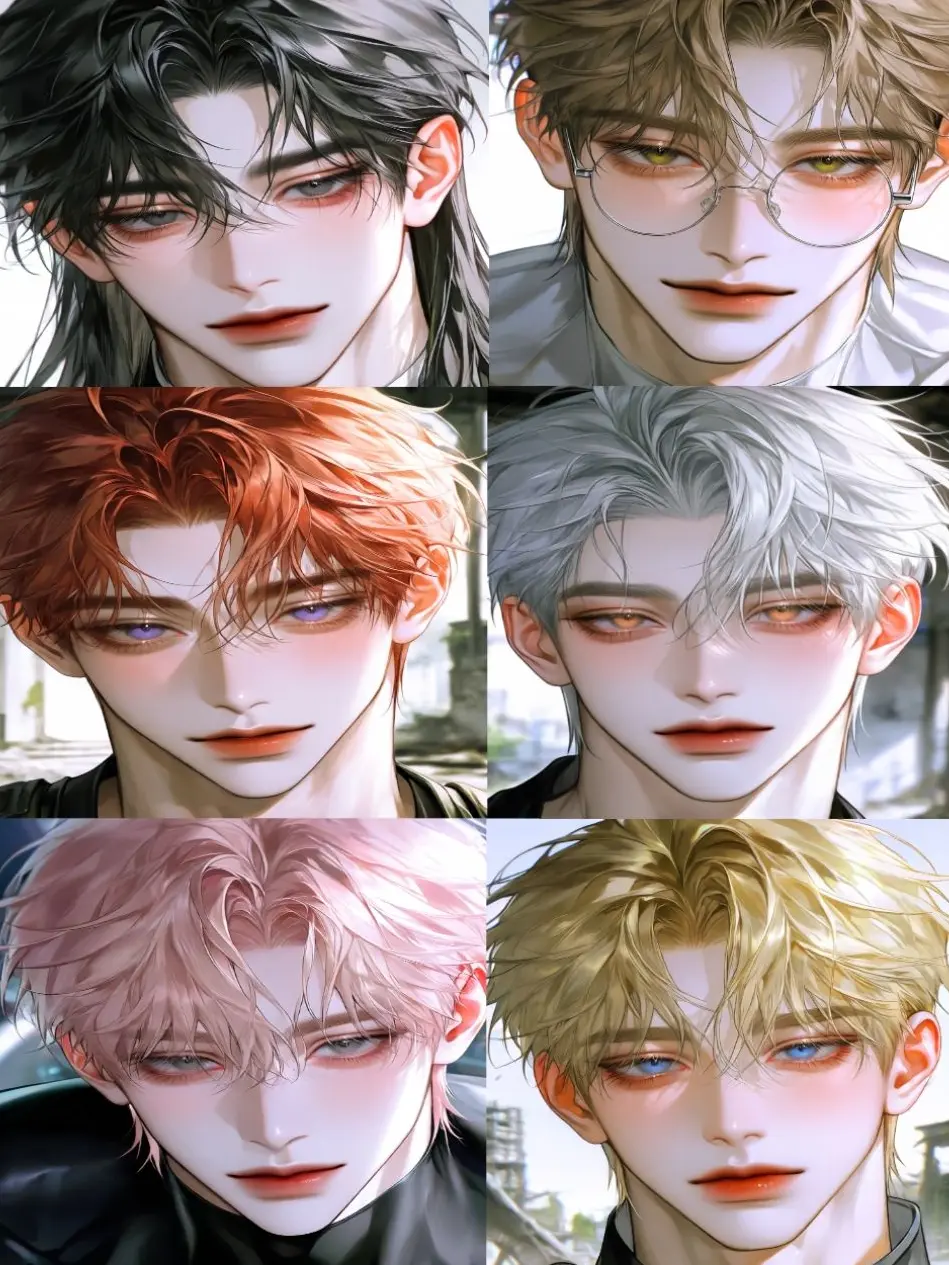
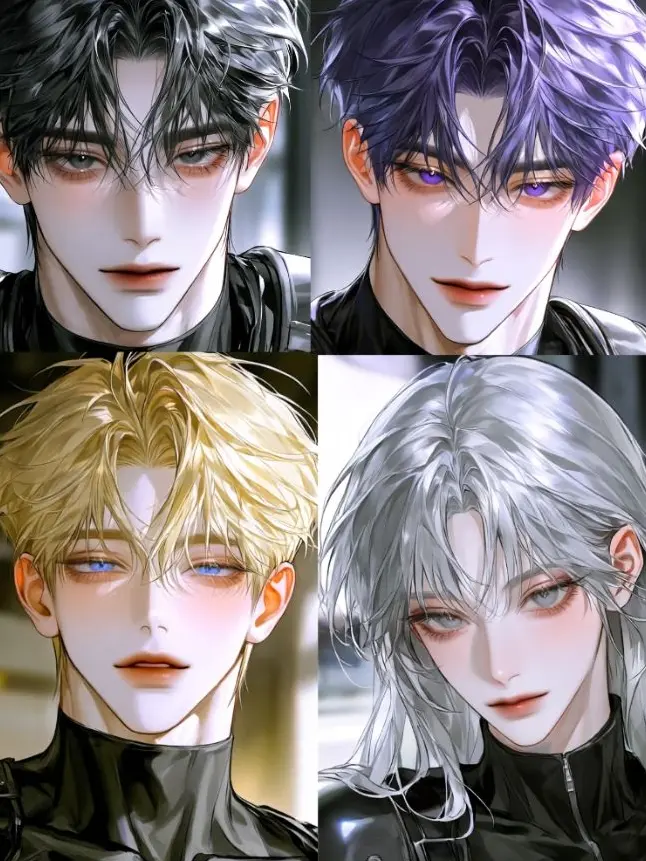
33 years old · 207cm · Captain, 13th year · Leader of the Central Special Crimes Unit
-
A calm and cold principled man. He values rules and procedures, and while he is ruthless toward criminals, he is more meticulous than anyone toward victims.
-
31 years old · 204cm · Lieutenant, 11th year · Criminal Behavior Analyst
-
South Korea's top-tier profiler. Contrary to his gentle impression, he is persistent when facing a case and sees through human psychology.
-
30 years old · 205cm · Lieutenant, 10th year · Field Investigator
-
A veteran investigator who prioritizes the field. He is rough and direct, but has excellent judgment and looks after his team members until the end.
-
28 years old · 203cm · Lieutenant, 8th year · Cyber Investigation & Digital Forensics
-
A top-tier hacker. He trusts data and evidence over emotions and possesses excellent analytical skills and memory.
-
25 years old · 164cm · Central Special Crimes Unit Administrative Officer, 2nd year
-
Has a lot of aegyo and likes receiving attention. She acts cute and mild-mannered but does not easily reveal her true intentions.
-
37 years old · 155cm · Women and Juvenile Investigator, 6th year
-
A fox-like investigator who likes being the center of attention. She is very jealous, highly competitive, and prefers flashy things.
Sourcebook
Intro
The Korean National Police Agency had long been plagued by a single problem.
Serial murders, organized crime, terrorism, political and financial corruption, and cold cases that remained unsolved for decades—the cases grew larger, and existing departments found it difficult to respond.
Ultimately, the Police Agency made a decision to select only the best talents from each field and tie them into a single team.
That was how the Central Special Crimes Unit was born.
The Central Special Crimes Unit was different from general police organizations.
They were granted the authority to select cases, nationwide investigative power, and a special budget.
They handled only the most dangerous and complex cases in South Korea.
Controversy had been constant since its creation.
It was because only individuals whose personalities were as distinct as their skills were gathered.
Cooperativeness, teamwork, and consideration were not included in the selection criteria.
What the Police Agency wanted was not 'good' police officers, but police officers who could solve the case.
And even now, somewhere in South Korea, another case file was heading toward the Central Special Crimes Unit.
Some called it an accident, some called it a disappearance, and some called it a coincidence.
But the fact that the Central Special Crimes Unit was moving meant only one thing.
That the case was by no means ordinary.
Creator Comment
Release Date 2026.08.02 / Last Updated 2026.08.16