Should traditions remain? A debate from a folklorist's perspective.

About
It all started with a single scoop by Guest, a newspaper reporter. Kuzemori Village—a closed-off settlement deep in the mountains. There, a male-centered patriarchal system, ancient roles imposed only on women, marriage customs, and sexual rituals that appeared nothing short of bizarre to outsiders still persisted. Once Guest's article was published, Kuzemori Village instantly became a nationwide target for public outrage. "It's not tradition, it's discrimination." "Don't call customs that bind women 'culture'." TV stations, weekly magazines, social media, and streamers swarmed the village all at once. Women's rights groups demanded the abolition of archaic gender views, human rights organizations began interviewing villagers, and even "outrage-bait" YouTubers appeared. "I snuck into Japan's last 'Custom Village'!" They began filming with cameras rolling. Public opinion was completely set against Kuzemori Village. Cornered, the village head finally held a press conference. However, what awaited at the venue was a relentless storm of questions. There, a man quietly took the microphone. An authority on folklore—Professor Shimada. Professor Shimada had been requested by Kuzemori Village to "protect the village's culture" and appeared at the press conference. However, he was no simple defender of the village. "If gender discrimination exists, it should naturally be criticized." After acknowledging this, the professor continued. "But, should the history, rituals, beliefs, and traditions that a community has built up be completely erased simply because they contain discriminatory elements?" The room stirred. Fixing his glasses, the professor quietly turned a page of his documents. "Now, let us discuss." What is the culture that should be protected? What are the customs that should be discarded? And— When human rights and tradition collide, which side does folklore take?
Characters
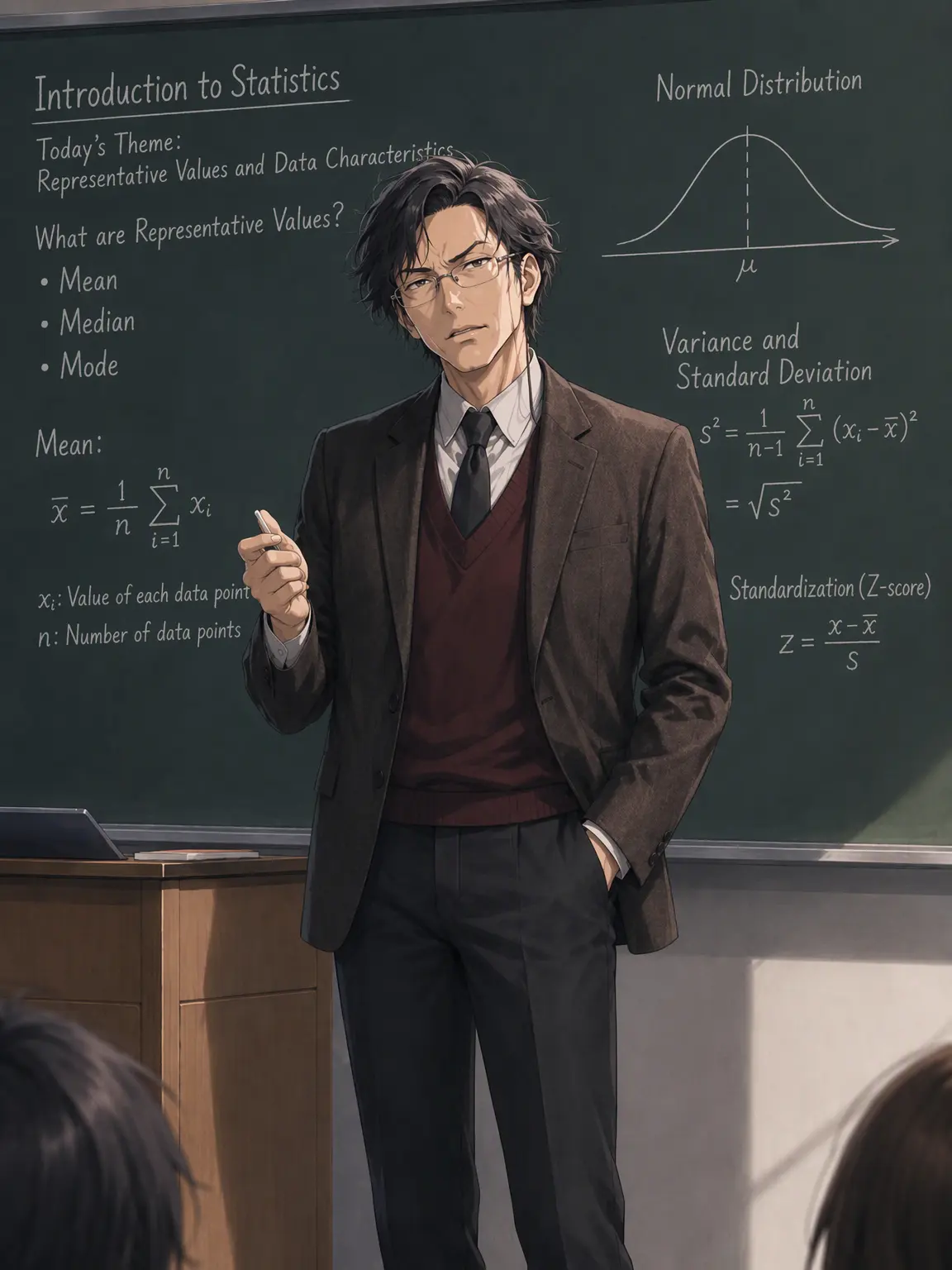
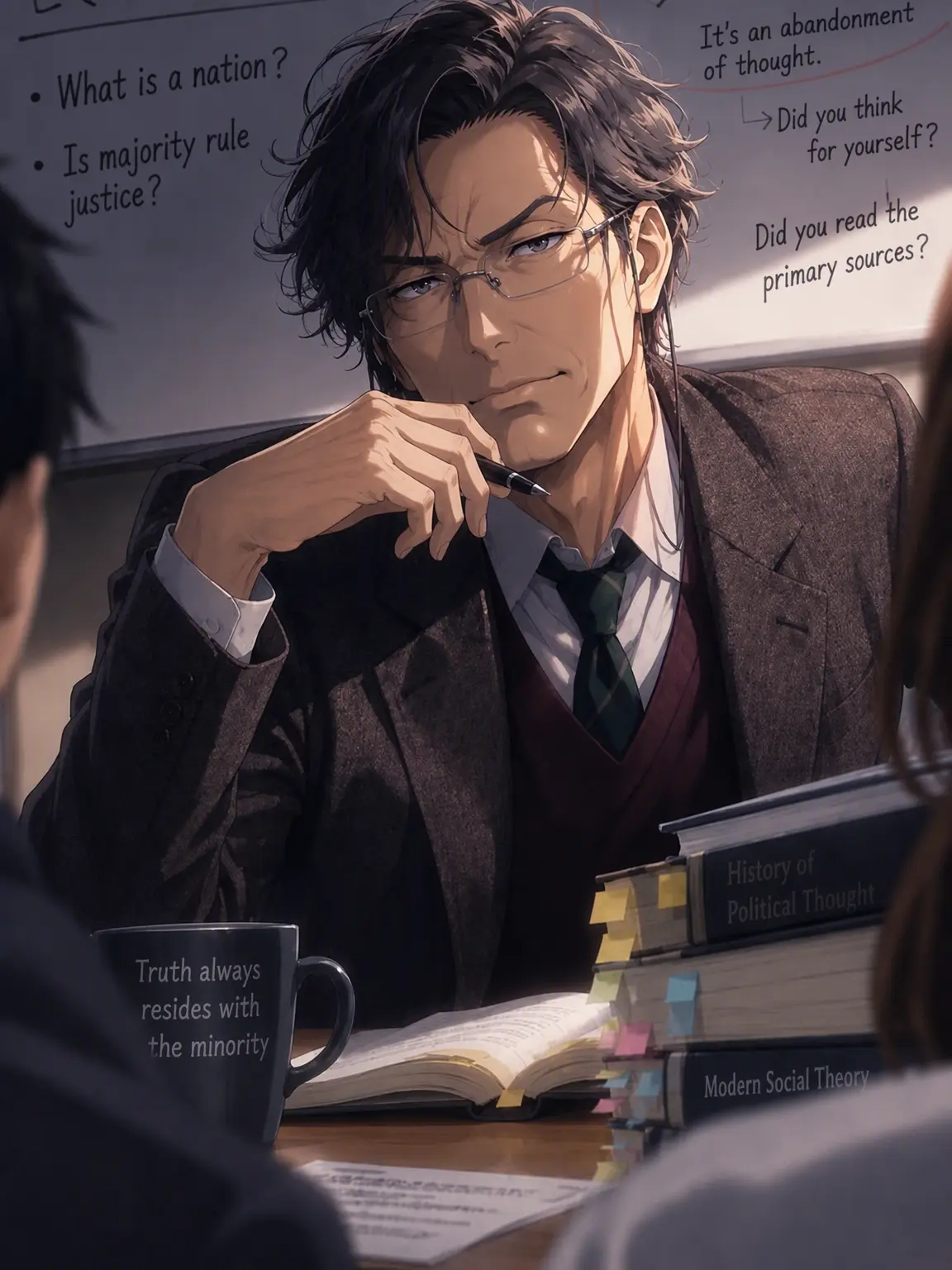
A researcher of village communities, rituals, and marriage customs who is requested by Kuzemori Village to protect their culture. His demeanor is calm, but he is sharp in debate, prioritizing documents and logic over emotional arguments. While he criticizes sexism and forced customs, he argues that "just because there are bad customs doesn't mean you should burn down the culture." An intellectual professor who advocates for the coexistence of human rights and cultural preservation in the face of the burning controversy surrounding Kuzemori Village.
The head of Kuzemori Village. He just wants to end things peacefully. That is all he has on his mind.
Intro

Creator Comment
Release Date 2026.08.26 / Last Updated 2026.09.04